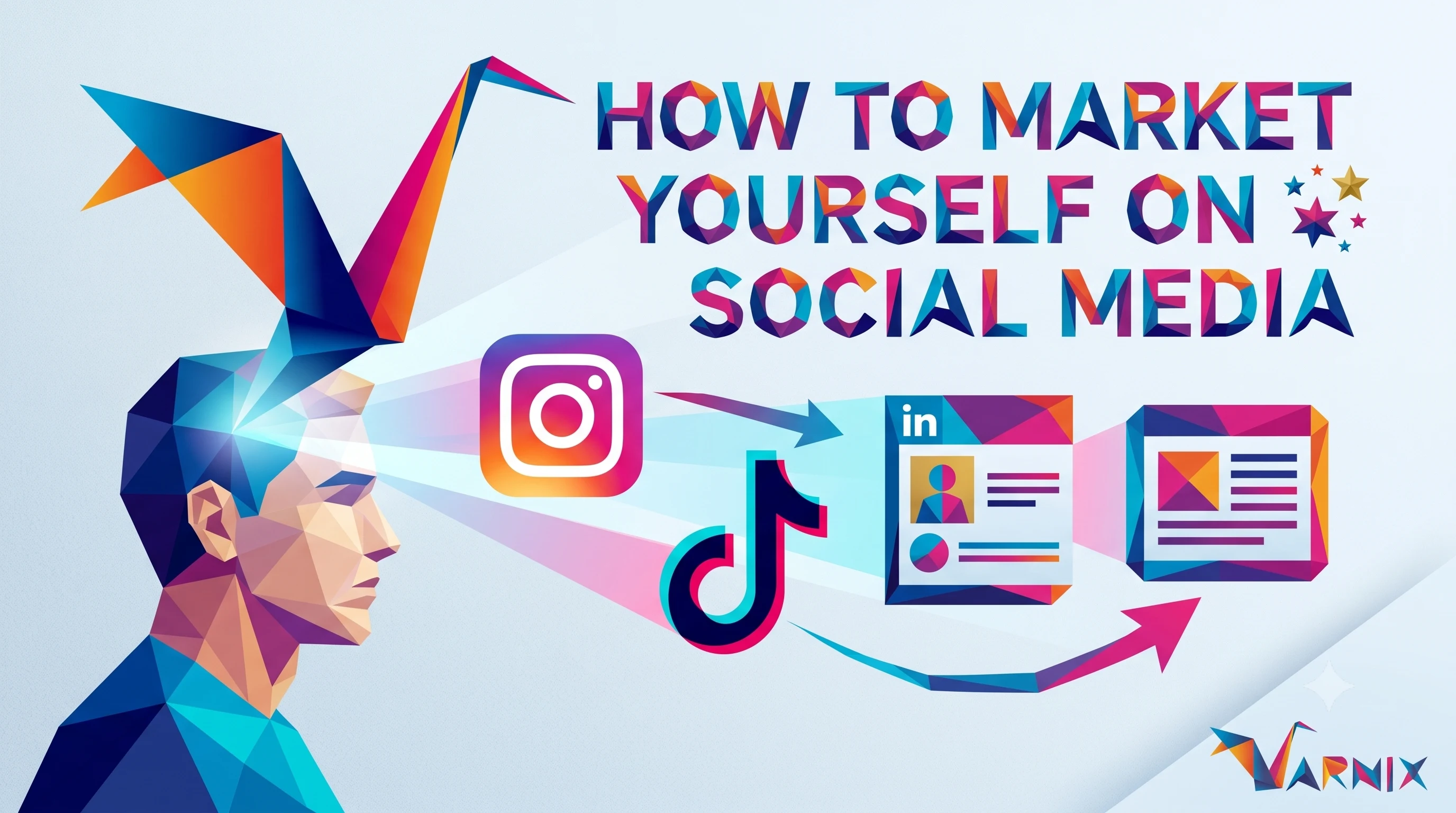
Marketing yourself on social media means picking one clear area you want to be known for, showing up consistently with content that proves you understand it, and engaging with the people in your industry before you ever ask them for anything. It's slower than paid advertising, but it builds a kind of trust that ads can't buy.
Why Does Personal Branding on Social Media Actually Work?
People trust people more than they trust logos. According to Nielsen data cited in DSMN8's 2026 personal branding statistics, 92% of people trust recommendations from other people, even strangers, over recommendations from brands. This is why a founder's personal post often outperforms the same message posted from a company page, and why building your own presence pays off even if you're marketing a business, not just yourself.
How Do You Pick What to Be Known For?
Before posting anything, get specific about your niche. "Marketing" is too broad. "Technical SEO for ecommerce founders" or "video editing tips for small YouTube channels" gives people a reason to follow you over someone else.
Ask yourself three questions:
- What do people already come to me for advice on?
- What can I speak about with real examples, not just theory?
- Who do I actually want following me: peers, clients, or employers?
Your answer shapes every piece of content you make from here.
What Should You Actually Post?
Content that markets you well usually falls into a few repeatable categories:
- Lessons from real work: A specific result, mistake, or process from something you actually did, not generic advice.
- Opinions on your industry: A clear stance on a trend or debate in your field, backed by a reason.
- Behind the scenes: How you actually do the work, which builds trust faster than a polished summary.
- Answers to common questions: The same question people ask you in DMs or meetings, turned into a public post.
- Wins and case studies: Specific numbers and outcomes, not vague claims like "great results."
Specifics matter more than polish here. A post that says "grew organic traffic from 2,000 to 14,000 monthly visitors in five months by fixing internal linking" earns more trust than "helped a client grow their traffic significantly."
Which Platform Should You Focus on First?
Pick one platform based on where your audience already spends time, not where you personally enjoy posting.
- LinkedIn works best for B2B, career focused, and professional service audiences.
- Instagram works best for visual work, personal stories, and consumer facing niches.
- X works well for real time opinions, tech, and fast moving conversations.
- YouTube works best if you're willing to go deeper than a single post allows.
Master one platform before spreading across several. A strong, consistent presence on one channel builds more trust than a thin presence across four.
How Often Should You Post to Build a Personal Brand?
Consistency matters more than frequency. Posting two or three times a week, every week, for six months will outperform a burst of daily posts for two weeks followed by silence. Set a schedule you can actually sustain long term, then hold to it.
If you run out of ideas, keep a running list of questions people ask you, opinions you've formed recently, and small wins from your week. That list becomes your content calendar.
How Do You Turn Followers Into Real Opportunities?
Followers alone don't pay bills. To convert attention into opportunities:
- Make your bio state clearly what you do and who you help
- Include a way to reach you, not just a generic "DM me"
- Reply to every comment, since replies often get seen by more people than the original post
- Share results and case studies regularly, not just opinions
- Mention your availability for work or collaboration occasionally, without making every post a pitch
This same logic applies directly to businesses building up team members or founders as public figures. See personal branding for athletes, sports teams, and fan loyalty for a closer look at how personal reputation translates into business results in a competitive field.
Does Your Personal Brand Affect How AI Tools Describe You?
Increasingly, yes. Tools like ChatGPT and Google's AI Overviews now pull from public content, including social posts and articles, when someone asks for a recommendation in your field. A consistent, well documented personal brand gives these tools more to reference. See how to get your brand cited by ChatGPT and AI search and the current playbook for brand reputation in AI search for more on this shift.
What Mistakes Should You Avoid in Personal Branding?
- Posting only self promotion with no real value in between
- Copying someone else's voice instead of developing your own
- Disappearing for weeks after an initial burst of posts
- Ignoring comments and messages from people showing genuine interest
- Trying to sound like an expert in five different fields at once
Should a Business Help Its Team Build Personal Brands Too?
Many growing businesses now treat this as part of their marketing plan, not just something employees do on their own time. If you're building this out for a founder or team, it helps to understand what a social media marketing agency actually does and the benefits of hiring a social media marketing agency, since personal branding and business branding often work best when they're planned together rather than separately. Varnix works with founders and teams on exactly this kind of combined strategy.