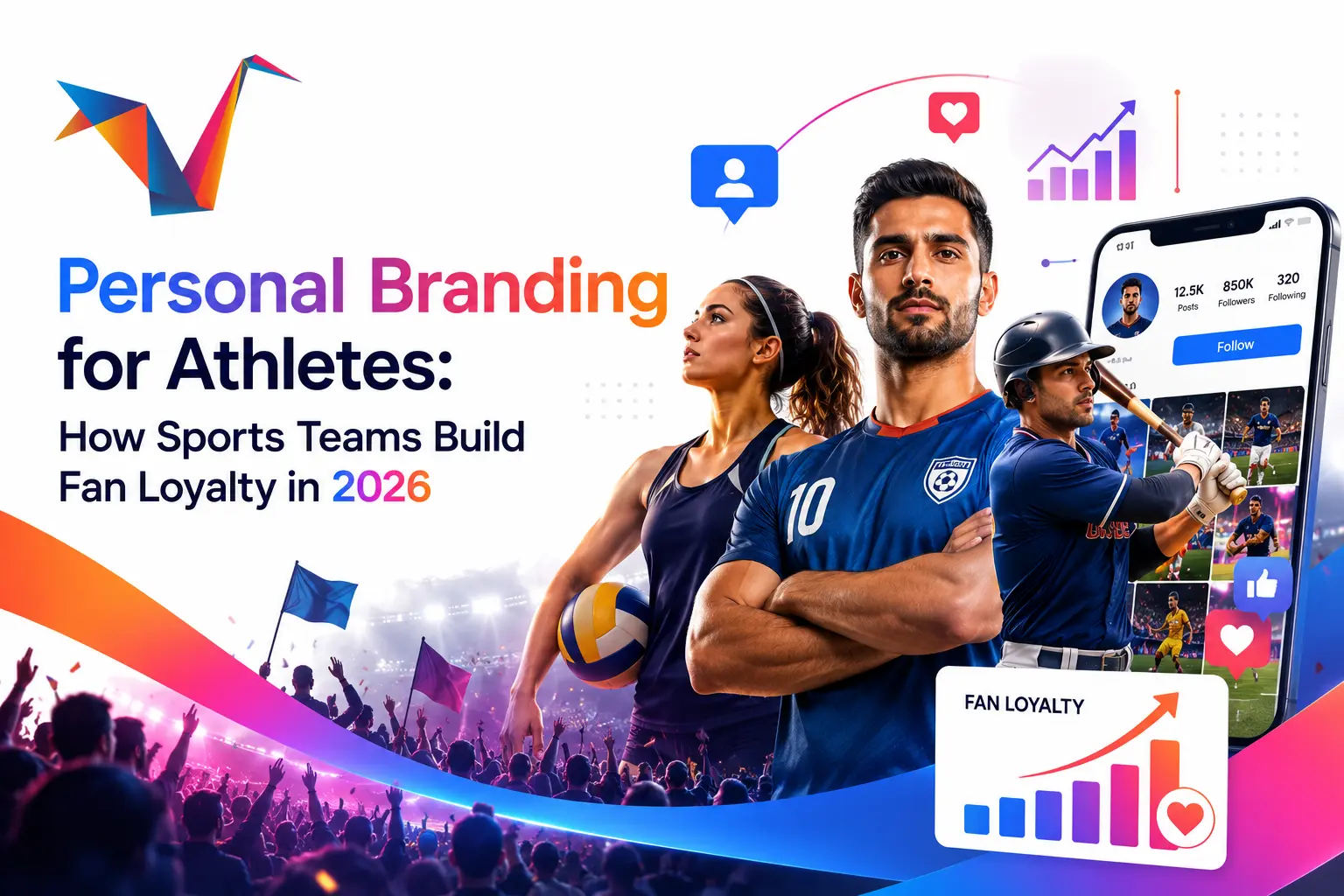
Athletes and sports teams build lasting fan loyalty in 2026 by pairing consistent performance with a recognizable off-field identity — a clear story, a distinct voice, and a presence fans can follow between matches, not just during them. Talent alone builds a following for a season. Personal branding is what keeps fans invested for a career.
This shift matters more in Indian sports right now than ever before. State-level leagues, franchise sports, and individual athletes are all competing for the same limited attention on Instagram, YouTube Shorts, and X — and the teams winning that attention are the ones treating branding as seriously as they treat training.
Why Personal Branding Now Matters as Much as Performance
A decade ago, an athlete's brand was built almost entirely through match-day performance and post-match press coverage. That's no longer how fans form loyalty.
- Fans follow people before they follow teams. A jersey number means little until a fan knows the story behind it — where an athlete trained, what they overcame, how they talk about the game.
- Off-season visibility keeps fans engaged. Leagues have gaps between seasons; personal brands don't have to.
- Sponsors evaluate digital presence before signing deals. Follower count, engagement rate, and brand-safety of content are now standard parts of sponsorship negotiations, not an afterthought.
- Regional and franchise leagues compete directly with international sport for attention. A strong personal brand is often the difference between a domestic league team building a real fanbase and one that only fills stadiums on match day.
What Fan Loyalty Actually Requires
Fan loyalty is built differently from fan awareness. Awareness gets someone to watch a highlight reel once. Loyalty gets them to check in every week, defend the team in comments, and buy the jersey.
| Builds Awareness | Builds Loyalty |
|---|---|
| A viral match highlight | Behind-the-scenes training content, posted consistently |
| A one-off press feature | An athlete's personal story, told over months |
| A big win | How the team responds after a loss |
| Follower count | Consistent two-way engagement in comments and replies |
6 Ways Athletes and Teams Build Fan Loyalty in 2026
1. Tell the Origin Story, Not Just the Highlight Reel
Fans connect with where an athlete came from as much as what they've achieved. Small-town journeys, early struggles, and the path to a franchise or league are some of the most-shared content formats because they make talent feel human and relatable.
2. Keep a Consistent Team Voice Across Every Platform
Whether a team's content is raw and energetic or disciplined and understated, that tone needs to stay consistent across Instagram, YouTube Shorts, and X. Fans notice — and disengage — when a team's voice feels inconsistent or outsourced.
3. Post Behind-the-Scenes Content Between Matches
Training sessions, locker room moments, and travel days keep a team's presence alive during gaps in the season. This is where loyalty compounds — fans who only see match-day content drift away between fixtures.
4. Let Individual Players Build Their Own Presence
Team accounts build awareness for the franchise; individual player accounts build the emotional connection fans actually invest in. The strongest sports brands support both, rather than centralizing everything through one team handle.
5. Respond to Fans in Real Time
Moment marketing — reacting quickly to a win, a rival's result, or a trending sports conversation — keeps a team culturally present. Fans reward teams that feel like they're paying attention, not just posting on a schedule.
6. Protect the Brand With a Reputation Strategy
As athletes and teams grow their public presence, they also grow their exposure to controversy, criticism, and misinformation. A basic reputation and crisis-communication plan — even a simple one — protects years of brand-building from a single bad week.
How This Plays Out for Franchise and League Sports in India
State-level and franchise sports leagues face a specific version of this challenge: building fan loyalty for a team that didn't exist five years ago, in a market where fans already have established loyalties to cricket and football. For these teams, personal branding around individual athletes — their journey, their personality, their voice — is often what earns a team of fans, not just a season of viewers.
Varnix has built and managed digital presence for franchise sports teams and leagues across formats, including work on the Uttar Pradesh Pro Volleyball League website and franchise team branding for clients like Moradabad Bulls, Noida Thunders, Ayodhya Super Kings, and Kashi Kings. That experience sits inside two connected services: Talent, Athlete & Team Management, which handles career blueprints, personal branding, and media handling for individual athletes, and Sponsorship Management, which aligns brand partnerships to a team's actual audience and values rather than treating sponsorship as a logo placement.
This builds directly on the groundwork covered in Why Social Presence Matters for Sports Teams and Athletes — that post covers the case for showing up online at all; this one covers what turns that presence into fans who stay.
Common Mistakes That Break Fan Loyalty
- Posting only match-day content and going silent between fixtures
- Centralizing everything through one team account, leaving no room for individual player stories
- Inconsistent tone across platforms, especially when content is outsourced without a clear brand voice
- Ignoring fan comments and messages, which signals a one-way relationship rather than a community
- No plan for controversy or criticism, leaving a team unprepared when a bad moment goes public
Frequently Asked Questions
Why does personal branding matter more than performance alone for athletes?
Performance builds a following for a season. Personal branding — a consistent story, voice, and presence — is what keeps fans invested between matches and across a career, which is what sponsors and leagues actually value long-term.
How can a new franchise sports team build a fan base quickly?
By pairing consistent on-field performance with individual athlete storytelling, behind-the-scenes content between matches, and real-time engagement with fans — rather than relying on match-day highlights alone.
Should individual athletes have their own social media presence separate from the team?
Yes. Team accounts build brand awareness, but individual athlete accounts build the emotional connection that drives long-term fan loyalty and, often, personal sponsorship opportunities.
What role does sponsorship play in athlete personal branding?
Sponsors increasingly evaluate an athlete's digital presence, engagement, and brand safety before signing deals, making personal branding a direct factor in sponsorship value, not just a marketing nice-to-have.
How does a sports team protect its brand during controversy?
A basic crisis-communication and reputation strategy — prepared before a controversy happens — helps a team respond quickly and consistently, protecting years of fan trust from a single incident.